Private flight President Donald J. Trump
A private flight President Donald J. Trump uses KPBI, with a 10,001-foot runway. The field sits at 19 feet elevation. Rates below are estimates that move with aircraft, date and crew time.
- KPBI · DJTfield codes
- 19 ftfield height
- 10,001 ftlongest strip
- 0 mito New York
- Main page
- Airport info
- President Donald J. Trump International Airport
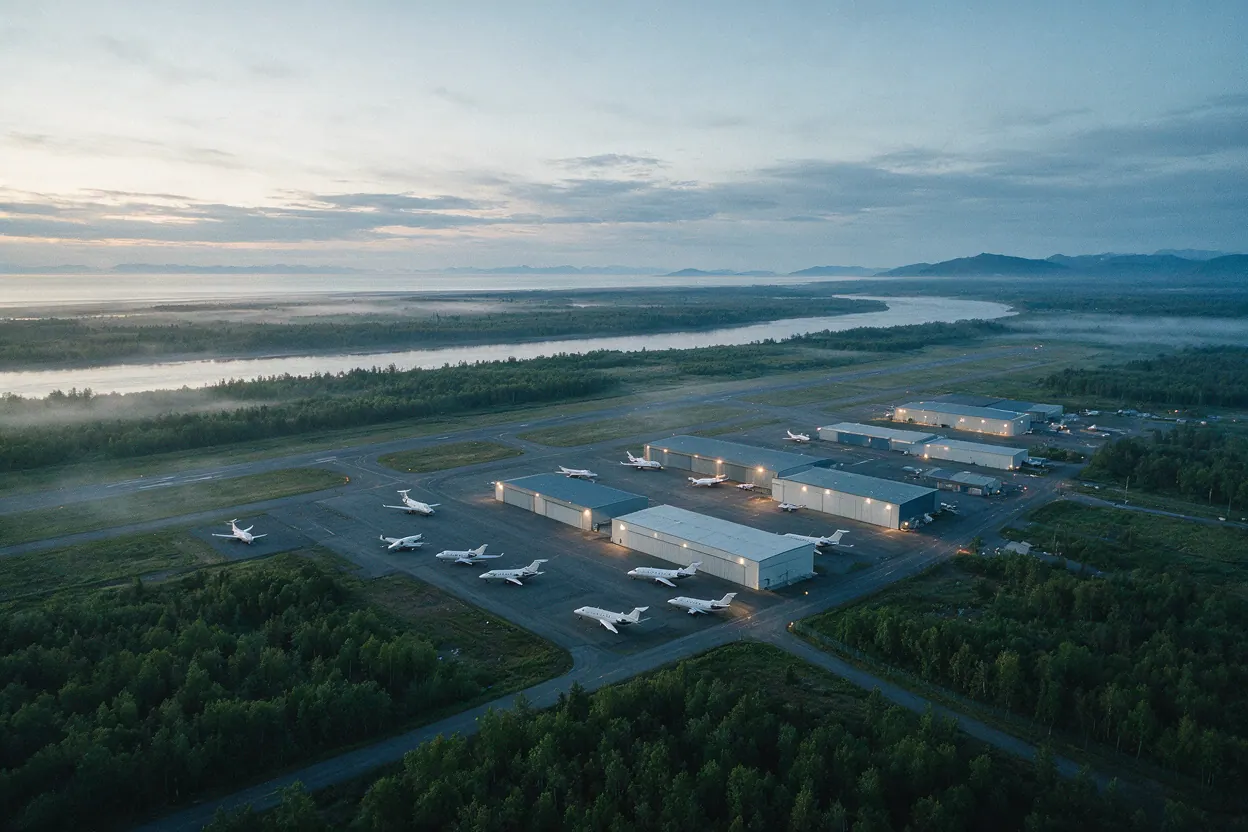
This page tracks charter rates for the field coded KPBI and DJT, and the numbers work the same way they do at any airport in the country. You pay an hourly rate by aircraft class, plus landing, handling and any overnight crew expense the trip requires. The runway and elevation here keep the aircraft list wide open, which matters more than the airport's name on a quote sheet.
The private flight President Donald J. Trump planners book most often is a midsize jet for four to six passengers on a two-hour leg. Light jets handle shorter hops at a lower hourly rate, and heavy jets cover coast-to-coast missions from KPBI with a full cabin. Ask for the tail number and the rate basis in writing, and check any operator against FAA Part 135 before you commit to a trip.
Rates vary by season here. January and February bring snowbird traffic and the highest demand of the year, so quotes climb. Summer is cheaper on paper but wetter, with 24 to 27 wet days a month from June through September. Booking a heavy jet into KPBI in February costs more than the same aircraft in September. Plan the budget around the calendar, not just the route.
Where charter flights park at KPBI
Private flights use the general aviation side of the field, and your quote should name the handling agent and the fee separately. Handling and ramp charges are often billed on top of the hourly rate, so ask for them line by line. Ask which fixed-base operator will handle your KPBI arrival and what the ramp fee adds to the estimate. No FBO list is published for this field, so the quote is the place to confirm the details.
Trips this airport suits
- Winter escapes to South Florida when northern cities are coldest, with the heaviest demand in January and February.
- East Coast meetings that need a same-day return without a commercial terminal connection.
- Group trips of six to nine passengers on midsize or super-midsize aircraft.
- Long-haul charters where a heavy jet departs with a full cabin and full fuel.
| Aircraft | Runway needed | Local |
|---|---|---|
| Turboprop | 3,300 ft+ | Suits aircraft |
| Light jet | 4,000 ft+ | Suits aircraft |
| Midsize jet | 5,000 ft+ | Suits aircraft |
| Super-midsize jet | 5,200 ft+ | Suits aircraft |
| Heavy jet | 5,600 ft+ | Suits aircraft |
Weather and density altitude by season
Density altitude peaks around 2,400 feet in the hottest month, based on average highs plus 8 F. July runs near 1,900 feet, and winter months sit near 1,000 to 1,200 feet. None of those figures pressure a jet departure. At a peak density altitude near 2,400 feet, KPBI summer departures stay well inside normal jet performance margins. Pilots still run their own numbers for each aircraft and load.
Expect rain more than heat to shape the schedule. June through September carries 23 to 27 wet days a month, and afternoon storms can hold arrivals. If your trip lands in the wet season, then a morning arrival gives you more slack than an evening one. An August arrival at KPBI runs a real chance of an afternoon storm delay, so build a buffer into the pickup time.
| Mo. | Mean high | Precip. days | Effective altitude |
|---|---|---|---|
| Jan | 73°F | 9 | 1,000 ft |
| Feb | 76°F | 10 | 1,200 ft |
| Mar | 78°F | 8 | 1,300 ft |
| Apr | 81°F | 12 | 1,500 ft |
| May | 83°F | 15 | 1,600 ft |
| Jun | 85°F | 24 | 1,800 ft |
| Jul | 87°F | 24 | 1,900 ft |
| Aug | 87°F | 27 | 1,900 ft |
| Sep | 86°F | 23 | 1,800 ft |
| Oct | 83°F | 16 | 1,600 ft |
| Nov | 79°F | 13 | 1,400 ft |
| Dec | 76°F | 10 | 1,200 ft |
Runways and field limits at KPBI
The longest runway is 10,001 feet at 19 feet elevation, which covers every business jet class in normal conditions. Field length rarely decides the aircraft here; ramp space and slot timing in peak season do. A 10,001-foot runway at 19 feet elevation clears every common charter jet type for a KPBI departure. Short-field restrictions that shape quotes at mountain fields do not apply on this ramp.
| Rwy | Len | Wid | Surf |
|---|---|---|---|
| 10L/28R | 10,001 ft | 150 ft | ASPH-G |
| 14/32 | 6,931 ft | 150 ft | ASPH-G |
| 10R/28L | 3,214 ft | 75 ft | ASPH-G |
Getting to and from the field
Ground transfer time depends on where you land relative to your final address, so give the operator an exact destination. Traffic on the main highways into the area runs heavy in winter, and an evening arrival can add time. If your ground leg is long, then a slightly higher hourly rate on a faster aircraft may still be the cheaper plan overall. A KPBI arrival in peak season is easiest when the ground transfer is booked before the flight is confirmed.
Private jet paths through President Donald J. Trump
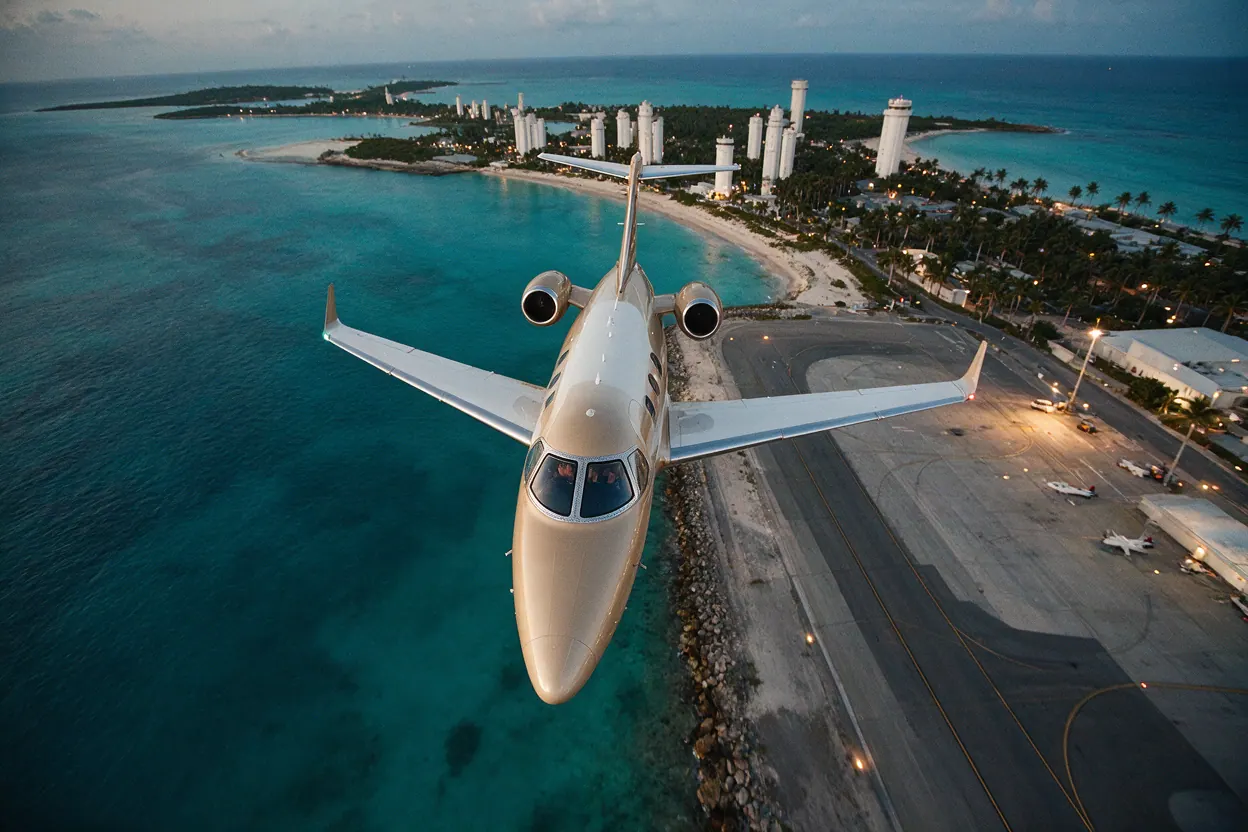
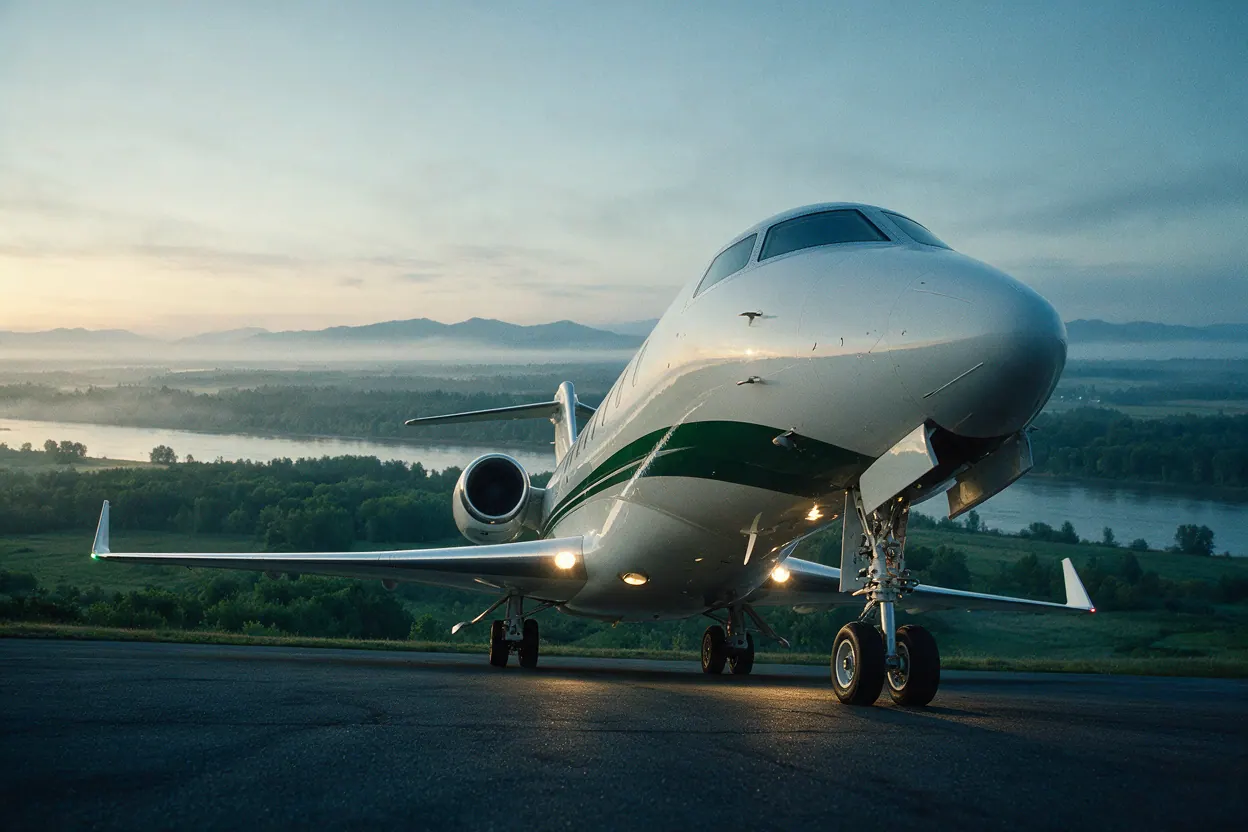
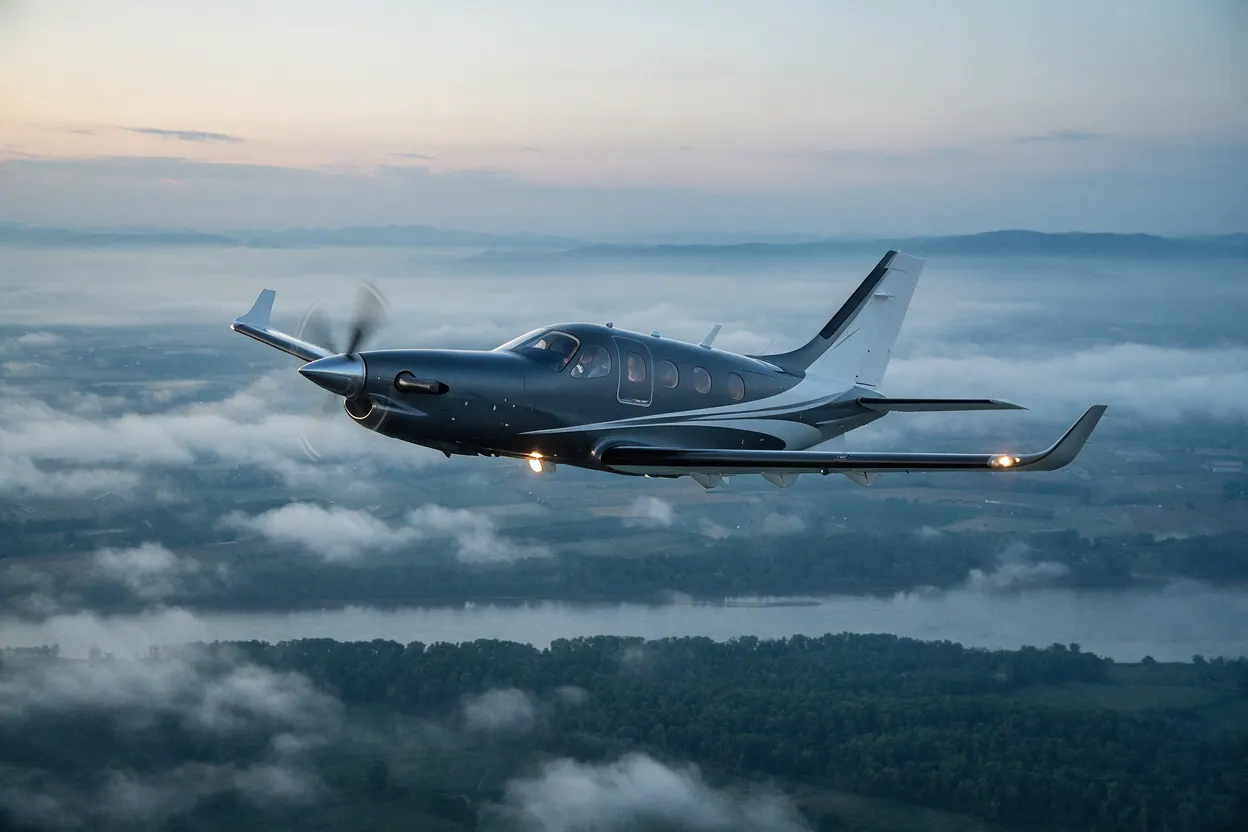
These 6 private jet city pairs span 96 to 2,129 nautical miles, with one-way light jet estimates running $4,000 to $36,000.
Answers for this airport
What does a private flight President Donald J. Trump cost per hour?
Rates run by aircraft class, not by airport: light jets sit at the low end, midsize in the middle, heavy jets at the top. The runway here is 10,001 feet, so every class is available and the rate depends on your mission, not field limits. Ask for the hourly rate and the added fees in writing, and treat all figures as estimates.
Which aircraft can use the runway at KPBI?
All common charter classes can, given a 10,001-foot runway at 19 feet elevation. Light, midsize and heavy jets all clear normal performance margins. The limit you are more likely to hit is ramp space in winter, so confirm handling early for January and February dates.
How does summer weather affect departures?
Density altitude peaks near 2,400 feet in the hottest month, and July sits near 1,900 feet, both well inside normal jet limits. Rain is the bigger factor: June through September brings 23 to 27 wet days a month, and afternoon storms can delay arrivals. Morning departures usually see fewer weather holds.
When is the most expensive time to charter into this airport?
January and February, when snowbird demand peaks and quotes climb. Highs then run 73 to 76 F with 9 to 10 wet days a month, so weather is not the driver; demand is. If your dates are flexible, then September and October usually price lower than midwinter.
What charges come on top of the hourly rate?
Landing, handling and ramp fees, plus crew overnight costs when a trip spans a night. Ask for each one itemized, because handling charges vary by provider and are easy to bury in a total. If a quote arrives as one number, then request the breakdown before you compare it with another.
How far ahead should I book a winter trip?
For January and February, start early; those are the peak months here and the best aircraft go first. Give the broker your dates and passenger count and ask what moves the estimate. If your trip is in summer, then a shorter lead time usually works because demand is lower and rain, not availability, is the variable.