Turboprop charter rates
Turboprop charter rates run $2,200 to $3,500 an hour. A New York to Miami leg in this class prices at about $8,000 to $12,500. Below is what the hourly number covers and what gets added to it.
- $2,200–$3,500hourly rate
- 6-8seats filled
- 1,500 nmnormal reach
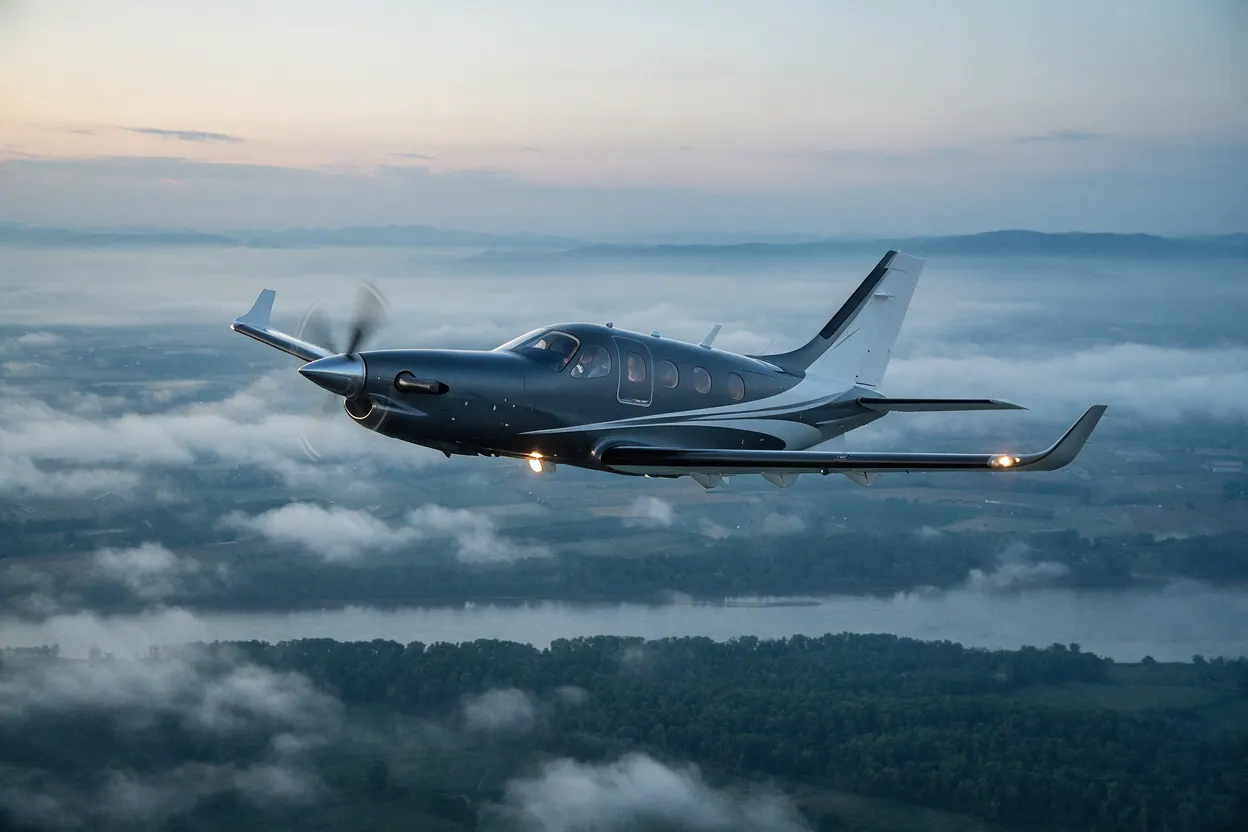
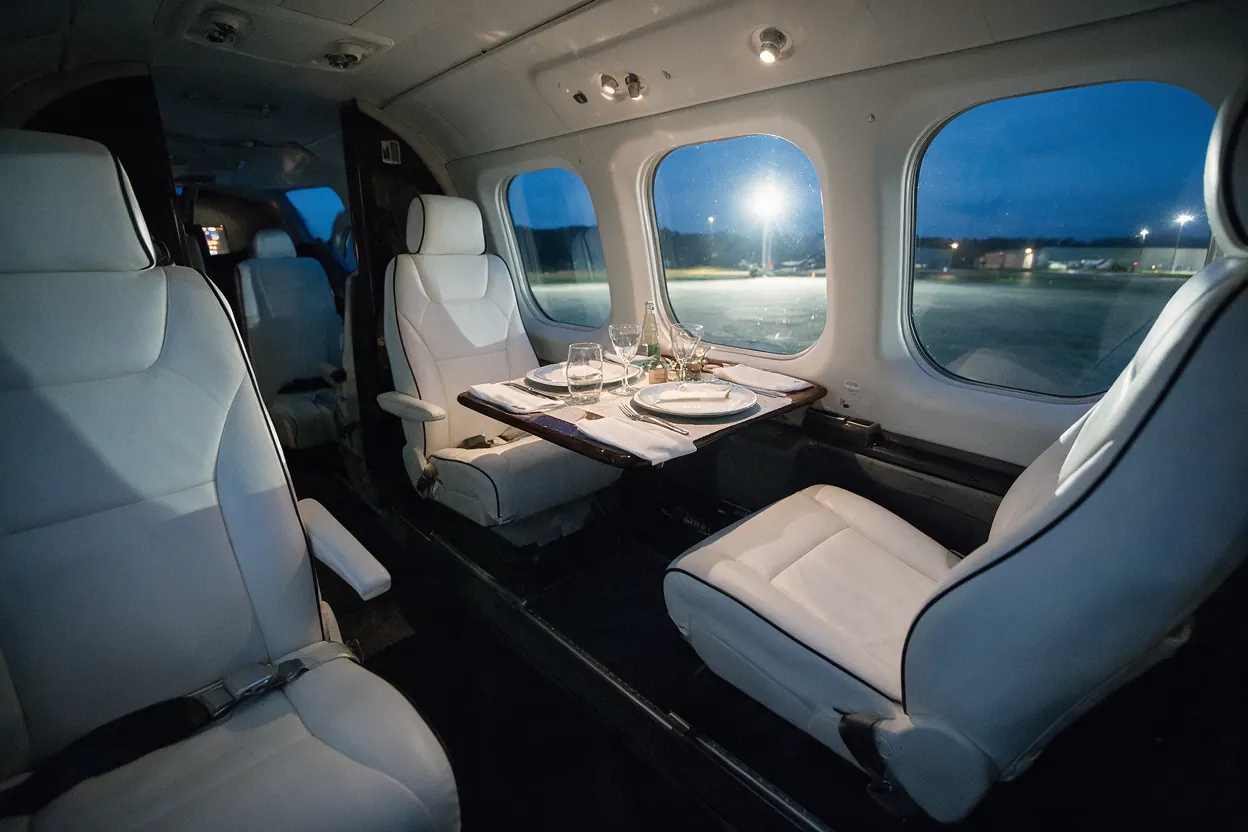
The hourly rate is the backbone of every turboprop quote. In this class it sits between $2,200 and $3,500 an hour, and the spread is wider than people expect because the number tracks the airframe, not the cabin. A Pilatus PC-12 NGX and a Daher TBM 960 both carry six passengers, but they do not cost the same per hour. Expect turboprop charter rates near the top of the band on the faster TBM 960 and lower on the PC-12 NGX. The hourly figure is also where most of a quote's weight lands. On a short hop it dominates; on a long one it is joined by fuel and crew duty charges that grow the total faster than the clock does. Every figure here is an estimate, including the ones tied to a named route.
Charter pricing in this class is quoted two ways. Some providers give an hourly rate and build the trip from there. Others quote a flat trip price that already folds in positioning, fuel and fees. Both are legitimate, but they are not comparable line for line. Ask for the hourly figure and the all-in trip price on the same itinerary and compare those two numbers. If a provider will only give one, then you are comparing an hourly rate against a number that may or may not include the extras. Rates also move with demand, so a quote is a snapshot, not a published tariff.
The aircraft themselves explain most of the gap between an hourly rate in this class and a jet rate. A turboprop cruises near 300 knots and seats six to eight, which is enough for most families and small teams. It also lands at fields that longer runways rule out for jets. That combination is why turboprop rates hold up well on regional legs and less well on coast-to-coast ones, where the slower cruise stretches block time and the hours stack up.
Pilatus PC-12 NGX
- 6 pax
- 290 kt cruise
- 1,800 nm range
- 40 cu ft luggage
- 1,426 US registration
The PC-12 NGX carries six passengers at 290 knots with a 1,800 nm range, the longest in this pair. Its cabin measures 4 ft 10 in tall and 16 ft 11 in long, with 40 cu ft of baggage. That mix of range and baggage space makes the PC-12 the usual pick past 1,000 nm on a turboprop charter rate sheet, and its hourly number usually sits toward the lower half of the band. It is a single-engine turboprop, so check the FAA Part 135 standing of whoever flies it.
Daher TBM 960
- 6 pax
- 330 kt cruise
- 1,730 nm range
- 32 cu ft luggage
- 987 US registration
The TBM 960 flies six passengers at 330 knots, the fastest cruise in this class, with a 1,730 nm range. The cabin is 4 ft tall and 13 ft 3 in long, and baggage space is 32 cu ft, so pack lighter than you would for the PC-12. Speed is what the extra hourly dollars buy on a TBM charter rate quote: on a long leg the additional knots trim block time, and the hourly figure typically lands near the upper end of the band. If cabin room matters more than minutes, then the PC-12 is the better fit.
When turboprop charter rates make sense
- Short regional legs. A Los Angeles to Las Vegas run at 199 nm prices around $2,200 to $3,500, and the hourly rate barely has room to compound on a flight that short.
- Airports with short runways. Turboprops need less pavement than jets, so a 96 nm Denver to Aspen leg at roughly $2,200 to $3,500 stays workable where runway length rules out larger equipment.
- Trips where the passenger count fits. Six to eight seats covers most family and small-team travel, and paying for a bigger cabin you do not fill rarely pays back.
- Routes inside the range. At a typical 1,500 nm, a nonstop such as Dallas to New York at 1,191 nm lands in the band. If a leg runs past that, then the quote picks up a fuel stop and the price reflects it.
What the hourly rate does not cover
Fuel surcharges, landing and handling fees, crew overnight costs and federal excise tax are usually added on top of the hourly figure. Segment fees and international departure taxes appear on cross-border legs, and a stop at a customs airport adds handling charges. When you compare quotes, ask which of these are already inside the number. A lower hourly rate with heavy add-ons can cost more than a higher rate quoted all-in, and the only way to know is to ask for the full breakdown in writing before you sign. If an itinerary crosses a border, then confirm where customs clearance happens, because that stop changes both timing and the final total.
Two smaller costs catch people out. Crew duty limits can force an overnight on a long day, and that night is a line item. Hangar or ramp fees at a busy airport show up on the invoice too. Neither appears in a headline hourly rate, and both are worth asking about before you accept a quote.
Turboprop costs on top routes
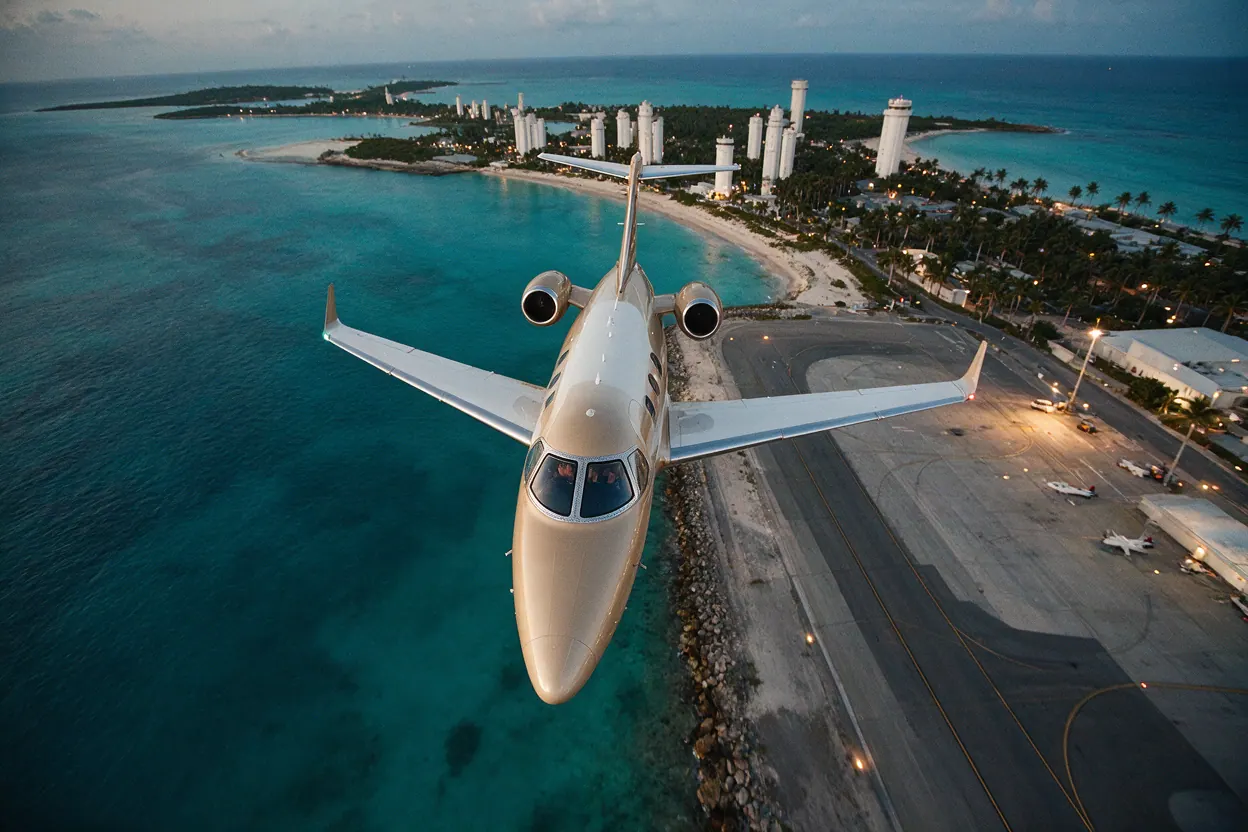
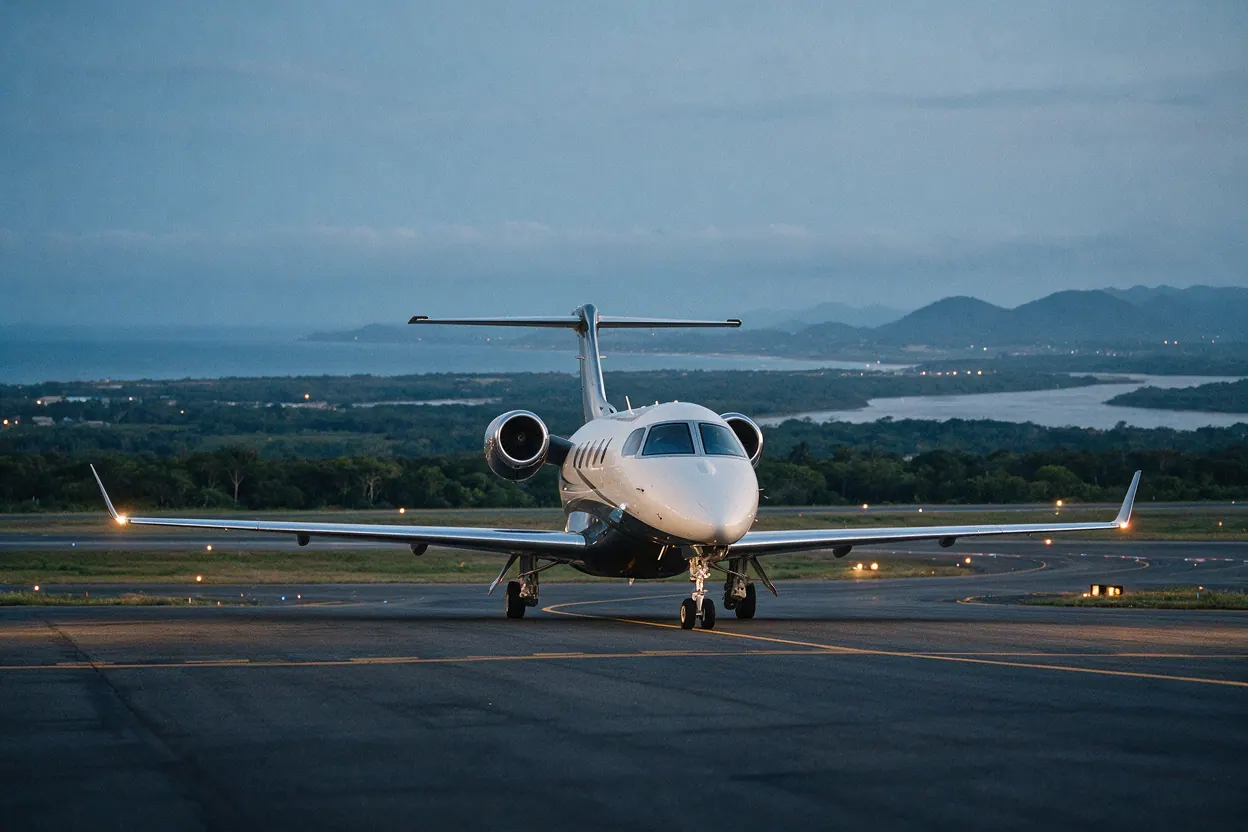
A few sample legs show how the hourly rate behaves in practice. Prices for each route are estimates for the turboprop class and move with fuel, crew time and demand on the day you fly, so treat them as a range and not a firm fare.
Turboprop times and costs by route
A turboprop covers these 24 city pairs in 0h 35m to 8h 49m, with one-way estimates running $2,200 to $31,000.
| Leg | Dur | One-way est. |
|---|---|---|
| New York → Miami | 3h 37m | $8,000–$12,500 |
| New York → Los Angeles | 8h 30m+ add stop | $18,500–$30,000 |
| Los Angeles → Las Vegas | 1h 00m | $2,200–$3,500 |
| New York → Palm Beach | 3h 27m | $7,500–$12,000 |
| Los Angeles → San Francisco | 1h 17m | $3,000–$4,500 |
| Denver → Aspen | 0h 38m | $2,200–$3,500 |
| Houston → New York | 5h 22m+ add stop | $12,000–$19,000 |
| Dallas → New York | 4h 28m | $10,000–$15,500 |
| Los Angeles → Honolulu | 8h 49m+ add stop | $19,500–$31,000 |
| Seattle → Los Angeles | 3h 10m | $7,000–$11,000 |
| Phoenix → Los Angeles | 1h 25m | $3,000–$5,000 |
| Boston → Palm Beach | 3h 57m | $8,500–$14,000 |
| Miami → Turks and Caicos | 2h 04m | $4,500–$7,000 |
| New York → Nantucket | 0h 56m | $2,200–$3,500 |
| Dallas → Aspen | 2h 28m | $5,500–$8,500 |
| Los Angeles → Jackson Hole | 2h 39m | $6,000–$9,500 |
| New York → Aspen | 6h 19m+ add stop | $14,000–$22,000 |
| Los Angeles → Aspen | 2h 31m | $5,500–$9,000 |
| New York → The Hamptons | 0h 35m | $2,200–$3,500 |
| Chicago → New York | 2h 28m | $5,500–$8,500 |
| Dallas → Houston | 1h 02m | $2,500–$3,500 |
| Miami → Nassau | 0h 52m | $2,200–$3,500 |
| New York → Boston | 0h 51m | $2,200–$3,500 |
| Washington, DC → New York | 0h 59m | $2,200–$3,500 |
Before you book
What are typical turboprop charter rates per hour?
Turboprop charter rates run about $2,200 to $3,500 an hour for the class, which seats 6 to 8 passengers at a cruise near 300 knots. The exact figure depends on the airframe, the route and the day. A Pilatus PC-12 NGX usually prices lower in that band than a Daher TBM 960, which cruises faster at 330 knots. Both are estimates until a provider quotes your specific trip.
How much does a turboprop charter cost from New York to Miami?
A New York to Miami turboprop leg covers 949 nm in about 3h 37m and prices at roughly $8,000 to $12,500. That is an estimate, not a firm quote. Fuel, landing fees and crew time can shift the total, so ask for the all-in figure rather than the hourly rate alone when you compare providers on this route.
Is a turboprop cheaper than a light jet for short trips?
Often yes on short legs, because its hourly band of $2,200 to $3,500 sits below most jet rates. A Los Angeles to Las Vegas hop at 199 nm prices around $2,200 to $3,500. On longer routes the speed gap matters more, and a jet's shorter block time can offset part of the higher hourly cost. Run both quotes on the same day and compare the all-in totals.
What cruise speed and range do turboprops offer?
This class cruises near 300 knots with a typical range of 1,500 nm, and the two aircraft here do better: the PC-12 NGX reaches 1,800 nm, the TBM 960 1,730 nm. Range shapes the quote. If a leg runs past the aircraft's range, then it needs a fuel stop and the price climbs. Houston to New York at 1,234 nm needs one; Dallas to New York at 1,191 nm flies nonstop.
Can a turboprop fly into Aspen in winter?
Yes. The Denver to Aspen run is 96 nm and takes about 38 minutes, priced near $2,200 to $3,500. Turboprops need less runway than jets, which helps at mountain airports. Winter weather can still reroute or delay a flight. If snow closes the field, then the trip moves or waits, so build slack into your schedule and confirm the plan with the provider before you fly.
Is a turboprop charter rate a fixed price?
No. The hourly figure is a starting point, and the final trip price adds fuel surcharges, landing and handling fees, crew overnight costs and federal excise tax. Rates also move with demand. Treat every number on this page as an estimate and get a written breakdown before you commit, so you know which charges sit inside the quote and which arrive later.
Do turboprop charter rates change with the season?
Yes, and the swing is largest where demand spikes. Holiday weeks and ski season push rates on mountain legs like Denver to Aspen, while quiet midweek dates price closer to the bottom of the $2,200 to $3,500 hourly band. If your dates are flexible by a day or two, then shifting the trip can move the quote more than switching aircraft does.
How many passengers can a turboprop charter carry?
Six to eight passengers depending on the airframe. The PC-12 NGX and TBM 960 each seat six, with 40 cu ft and 32 cu ft of baggage respectively. If your group fills all six seats, then luggage space becomes the binding limit before seat count does, so tell the provider your bag count when you ask for rates for the trip.