Private jet charter rates in Denver
Private jet charter rates in Denver start near $3,800 per hour. A midsize jet runs $5,200-$7,800 per hour across the metro. Elevation changes the aircraft a quote can use.
- 1field
- 1priced routes
- $4,000–$6,000Denver – Aspen light jet
- Main page
- Denver
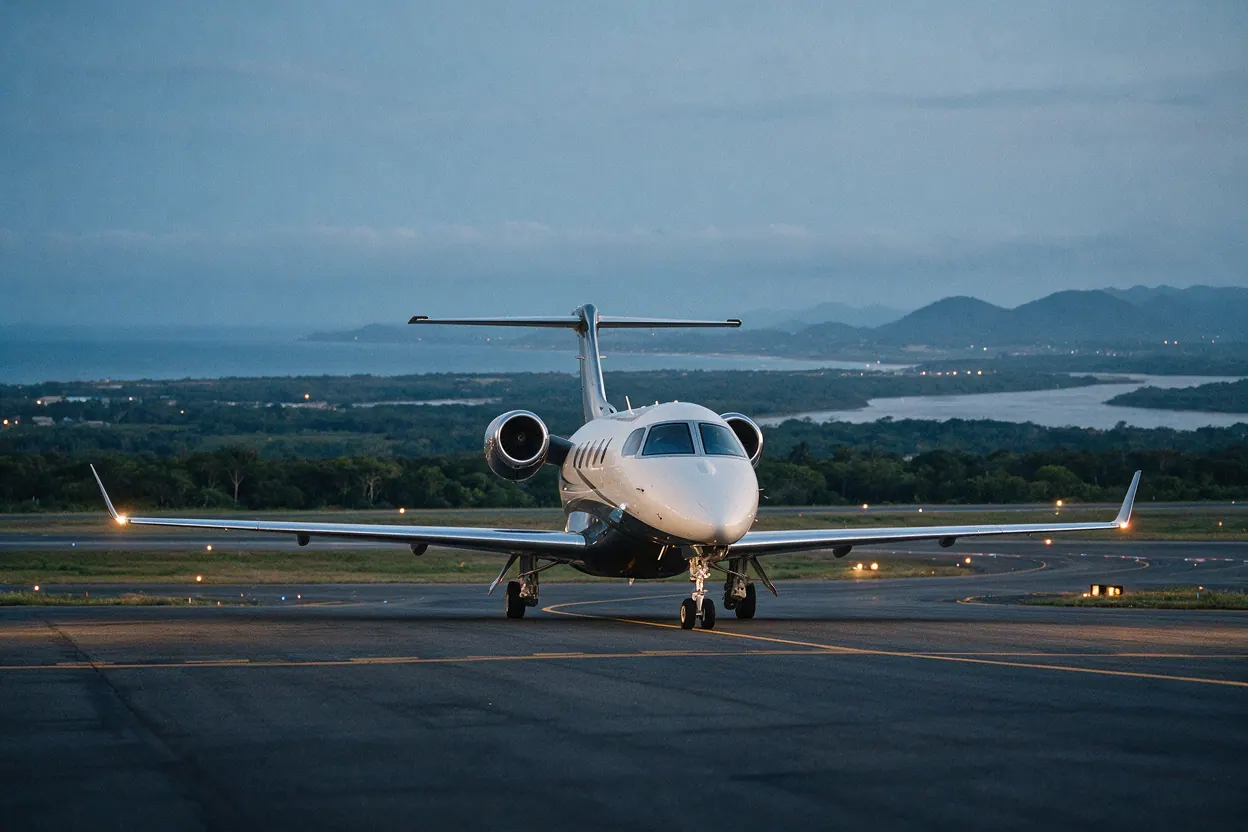
Denver charter pricing runs on three local facts: the airport, the mountains, and the heat. Centennial Airport (KAPA) is the main general aviation field on the south side of the metro. Its elevation is 5,885 feet, and its longest runway is 10,001 feet. That elevation matters because a light jet that holds 7 passengers at sea level may hold fewer on a hot July afternoon. The airport's peak density altitude reaches about 9,800 feet, which affects takeoff distance and climb performance. When density altitude climbs, then the operator may need a longer runway or a lighter fuel load, and that can push you into a larger aircraft.
The most common route from Denver is the mountain run to Aspen, 96 nautical miles. A light jet covers it in about 32 minutes, with rates from $4,000 to $6,000. A midsize runs $5,200 to $8,000, and a heavy jet runs $9,500 to $14,500. Farther routes follow the same hourly math. A turboprop at $2,200-$3,500 per hour can handle short regional hops, while a super-midsize at $7,200-$10,000 per hour makes sense for cross-country legs with 8-10 passengers.
Availability tightens in ski season and around major Denver events. When the January X Games or a holiday week hits, then Aspen-bound aircraft book out and repositioning fees rise. Summer afternoons bring thunderstorms, so morning departures are easier to schedule. If you are flying international, then plan for CBP clearance at a port of entry. If you are comparing quotes from different brokers, then ask whether the price includes crew, fuel, and landing fees.
Denver airport and route notes
Centennial Airport is the busiest general aviation field in the Denver area, with three FBOs on the field. In July, average highs reach the high 80s, and the airport's density altitude peaks near 9,800 feet. Wet days are most common in May, with 12 wet days on average. If you are heading to the mountains in winter, then de-icing and alternate airport planning can affect both price and schedule. For international departures, CBP clearance is arranged at the airport of entry on your route.
| Mo. | Mean high | Precip. days |
|---|---|---|
| Jan | 41°F | 5 |
| Feb | 41°F | 8 |
| Mar | 49°F | 8 |
| Apr | 59°F | 8 |
| May | 69°F | 12 |
| Jun | 83°F | 8 |
| Jul | 88°F | 6 |
| Aug | 87°F | 6 |
| Sep | 80°F | 6 |
| Oct | 67°F | 4 |
| Nov | 53°F | 5 |
| Dec | 46°F | 5 |
Nearby airports for Denver
How to book charter from Denver
Choose an airport
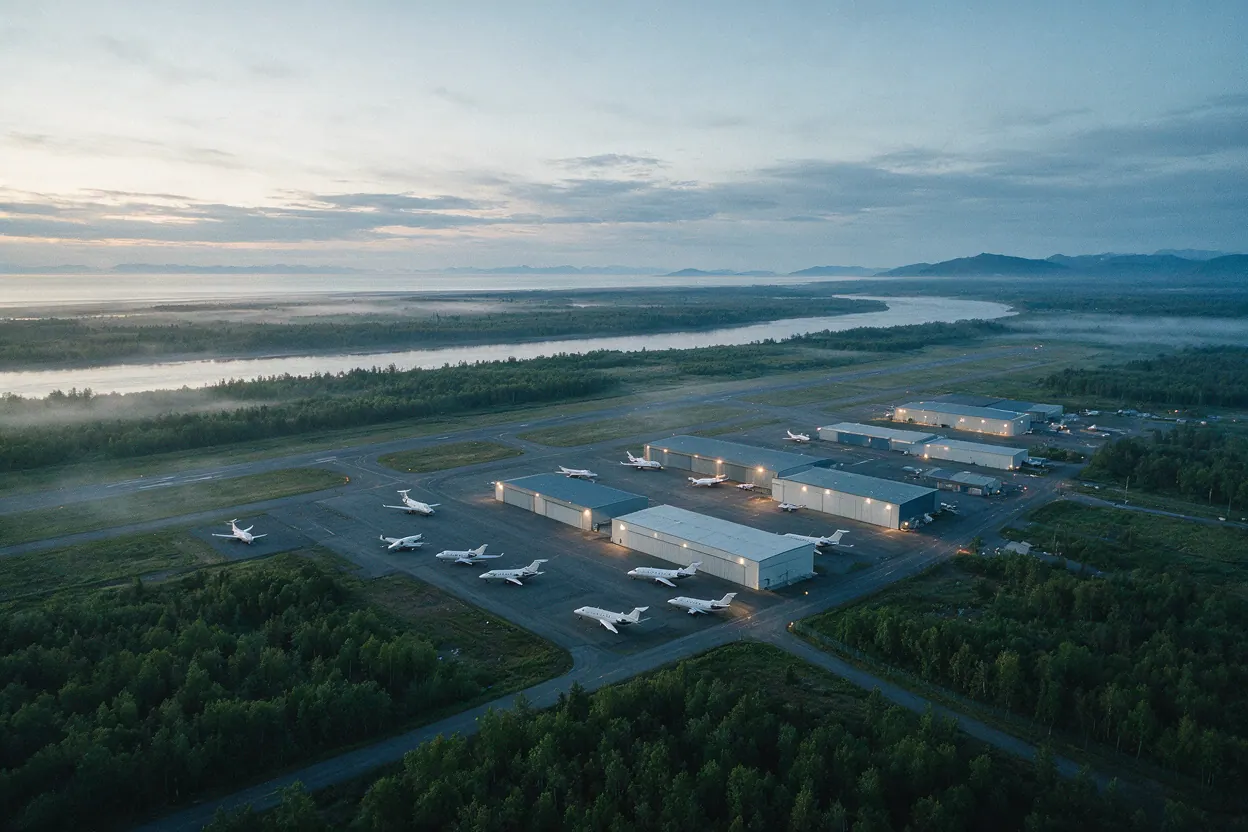
Centennial (KAPA) handles most private flights on the south metro. Its 10,001-foot runway and 5,885-foot elevation suit jets up to heavy class, though density altitude can limit loads in summer.
Match the aircraft to the route
For the 96-nautical-mile hop to Aspen, a light jet at $3,800-$5,800 per hour keeps costs down. For longer legs, a super-midsize at $7,200-$10,000 per hour carries 8-10 passengers.
Check elevation performance
On a hot day, peak density altitude at Centennial reaches about 9,800 feet. When that happens, then the operator may reduce payload or require a longer runway, so confirm the aircraft can carry your group.
Compare the full quote
Ask each broker for a line-item breakdown. Hourly rates are the core, but landing fees, crew overnight charges, and de-icing on winter mountain legs can add to the total.
Denver charter rates by aircraft class
Hourly rates in Denver run from $2,200 to $3,500 for a turboprop to $9,500 to $14,500 for a heavy jet. A light jet, the most common choice for mountain routes, costs $3,800-$5,800 per hour. Midsize jets run $5,200-$7,800, and super-midsize jets run $7,200-$10,000. Those figures are estimates and cover the aircraft, crew, and fuel for the flight hour. On the Denver-to-Aspen route, a light jet totals $4,000-$6,000 for the 32-minute trip. When you request a quote, then ask whether landing fees and crew expenses are included.
| Leg | Light | Midsize | Heavy |
|---|---|---|---|
| Denver → Aspen | $4,000–$6,000 | $5,200–$8,000 | $9,500–$14,500 |
Estimate a trip

Choose a route, traveler count and bag count to see the matching aircraft class, time in the air and an estimated price range.
Before you book
What are typical private jet charter rates in Denver?
Light jets run $3,800-$5,800 per hour, midsize jets $5,200-$7,800, and heavy jets $9,500-$14,500. Turboprops are the lowest at $2,200-$3,500 per hour. These are hourly estimates before landing fees and crew charges. For the 96-nautical-mile flight to Aspen, expect $4,000-$6,000 in a light jet for the 32-minute trip.
How much does a private jet from Denver to Aspen cost?
A light jet costs $4,000-$6,000 for the 96-nautical-mile route, which takes about 32 minutes. Midsize jets run $5,200-$8,000, and heavy jets $9,500-$14,500. In ski season, demand pushes those figures toward the top of the range. Ask whether the quote includes landing fees at Aspen and any crew overnight charges.
How does Denver's elevation affect a charter quote?
Centennial Airport sits at 5,885 feet, and peak density altitude reaches about 9,800 feet. When density altitude is high, then an aircraft may carry fewer passengers or less fuel, which can force a larger jet and a higher hourly rate. On summer afternoons performance limits are most pronounced, so morning departures are easier to price.
Which airport serves private flights in Denver?
Centennial Airport (KAPA) is the main general aviation field, with a 10,001-foot runway. Its elevation is 5,885 feet. Commercial flights use Denver International, but private charters typically use Centennial for easier access and shorter taxi times. For mountain routes, Centennial's south location saves time on the climb out.
When is the busiest season for charter from Denver?
Winter ski season and summer holidays are the busiest. In July, average highs reach the high 80s and afternoon thunderstorms are common. May averages 12 wet days. If you are flying to Aspen in January, then book well ahead and expect less flexibility on aircraft choice. Off-peak fall weeks offer better availability and more room to negotiate.
What is not included in the hourly rate?
The hourly rate covers aircraft, crew, and fuel, but landing fees, crew overnight expenses, de-icing, and catering are usually extra. On a Denver-to-Aspen trip, landing fees and any de-icing can add to the $4,000-$6,000 light jet estimate. Ask for a line-item quote so you can compare offers. Rates are estimates and change with aircraft availability.